The work behind the work
Hi Neighbor,
There's a version of a clean energy story that gets told a lot. A small town installs solar panels. A family upgrades their furnace. Energy bills go down. Everyone wins. And those stories are true. We tell them ourselves.
But we've been thinking about everything that doesn't make it into that version. The organizing that happens before any panel goes up. The trust that has to be built, carefully, over years, before someone opens their door. The paperwork nobody warned you about. The 12 calls you make to different HVAC companies, and the one contractor who finally agrees to come out to a town of 5,000 people.
That work is invisible in most tellings.
This month, we're releasing a new case study, Powering Our Communities: Saving Money and Energy in Rural Minnesota, produced with our partners at West Central Initiative and Region Nine Development Commission with support from BuildUS. It documents two programs that helped rural Minnesotans cut energy costs and improve their homes, and more importantly, it shows how those programs actually got off the ground. The people who made them happen, and what it really took.
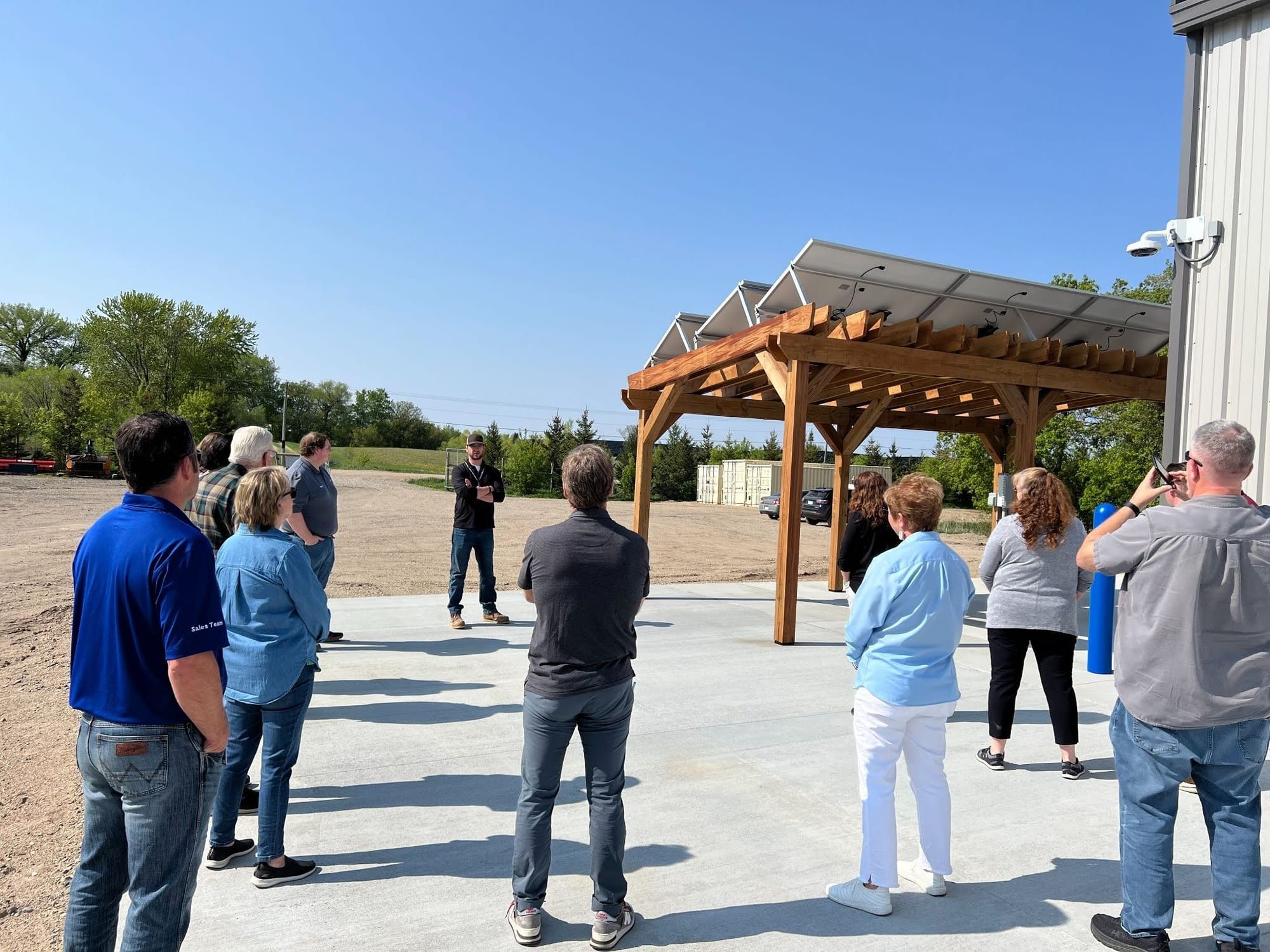
Together, the programs delivered rooftop solar to ten municipalities projected to save a combined $1,487,724 over 30 years, and brought free energy audits to 170 households and home upgrades to 42 of them in a single rural town — representing 10% of all households so far. Across every conversation that went into this case study, the same themes kept coming up: strong relationships are the foundation. Communities belong in the driver's seat. And the programs that work are the ones that show up as honest partners, not salespeople.
Two people know that better than most:
Latham Hetland is a loan officer, a city council member, and the mayor of New York Mills, Minnesota, a city of 1,400 people. When the West Central Initiative (WCI) brought a municipal solar cohort to his doorstep, he was interested but stretched thin. WCI stepped into that gap completely: handling the site analysis, bundling ten communities together for procurement, and offering zero-interest bridge loans so towns didn't have to wait on reimbursements to get started. "It was such a seamless process," Hetland told us.
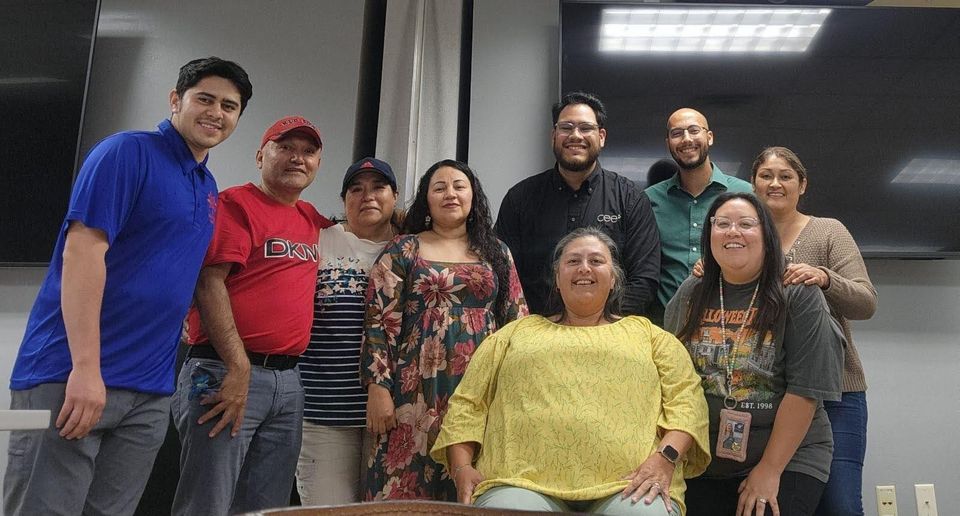
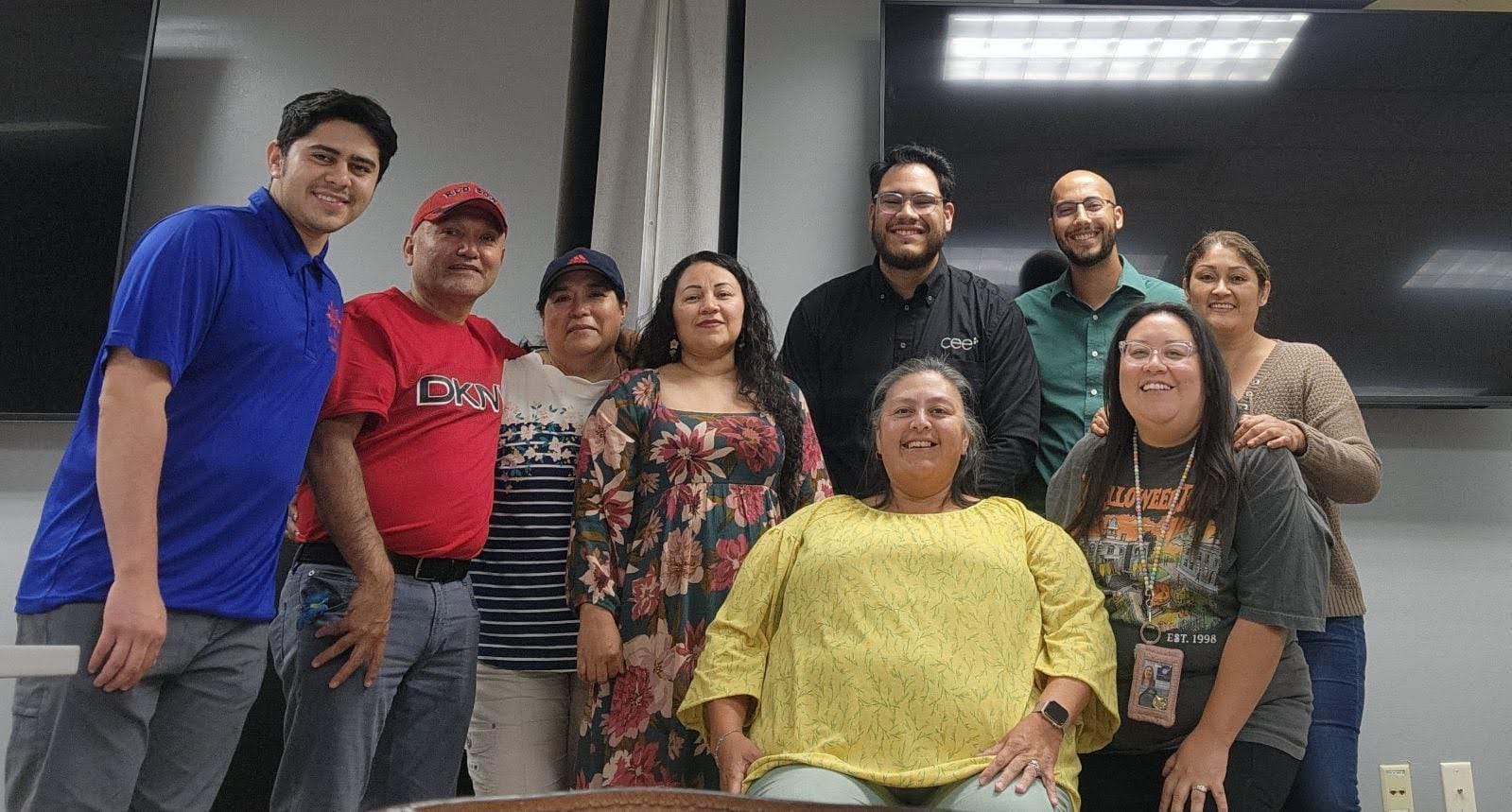
Luisa Trapero has been showing up for her neighbors in St. James, Minnesota for more than thirty years. As a coordinator with Convivencia Hispana, a grassroots volunteer organization, she helped design a program that trained seven community members as energy navigators, then sent them door to door talking to neighbors about free home energy audits. The program reached 170 households and delivered real upgrades to 42 of them. None of that happened because of a flyer. It happened because Luisa and her team had spent a decade earning trust.
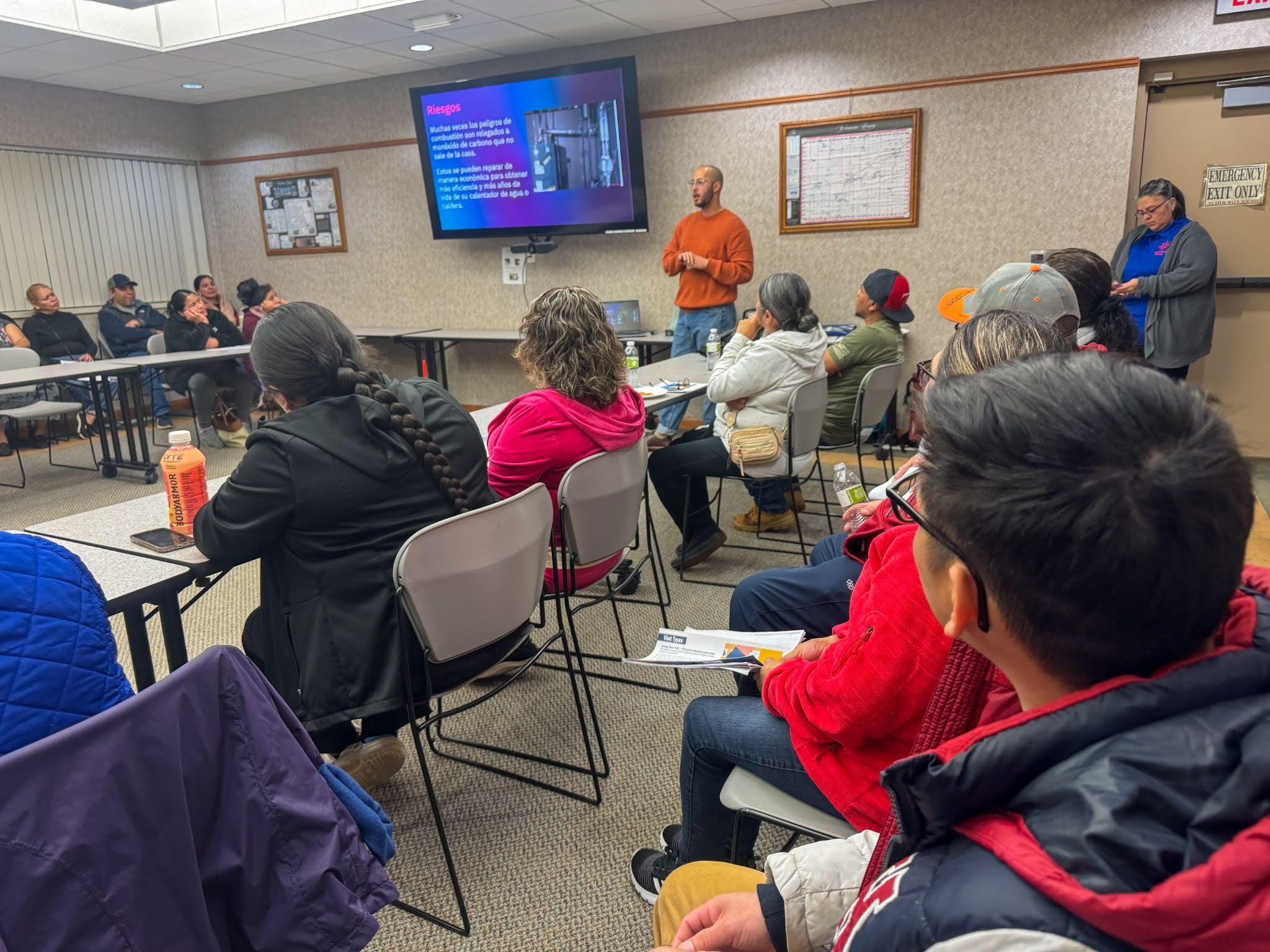
What connects these two stories is something that rarely shows up in impact reports: the relationship infrastructure that has to exist before any program can work. WCI had spent years building trust with small-town mayors before it ever pitched a solar cohort. Convivencia had ten years of showing up before anyone agreed to let an auditor through their front door.
That groundwork is what makes the rest possible. And it's what we need funders, policymakers, and partners to invest in: not just the programs, but the people and relationships that make programs real. We’ve tried to make that visible in our new case study. We hope you’ll read it and pass it along to others who might be interested.
In partnership,
Resource Rural