The most important fund you’ve never heard of
Hi Neighbor,
My name is Ann Lichter, Director of Resource Rural. For those of you I haven’t met, I grew up in Elkins, West Virginia — a mountain town of about 7,000 people in the heart of the Monongahela National Forest. It’s a place built on timber, coal, and the railroad, and full of people who know how to make the most of what they have.
I’ve spent most of my career in national economic and labor policy circles, but I carry Elkins with me wherever I go. Living with one foot in rural America and one foot in D.C. has meant constantly bridging those two worlds, helping policymakers see what’s possible when communities have the tools they need to build their own future.
In Elkins, I’ve watched a local CDFI purposefully strengthen the town I grew up in. A CDFI — or Community Development Financial Institution — is a mission-driven lender that fills the gap left by traditional banks, providing flexible capital to help people build businesses, homes, and community infrastructure. Woodlands, our local CDFI in Elkins, helped local entrepreneurs open Big Timber Brewing, now a downtown anchor business on the river. It pieced together housing tax credits and flexible capital to open the Grace Davis senior residences, giving longtime residents a dignified place to live. And it figured out how to finance the complex redevelopment of the historic Tygart Hotel, now a thriving business that brings life back to the heart of town.
All of that — a brewery, senior housing, a restored hotel — sits within a few city blocks. That’s the power of CDFI capital. It’s the invisible architecture that strengthens rural economies — and the bridge that lets local leaders turn their own ideas for housing, business, and community life into reality.
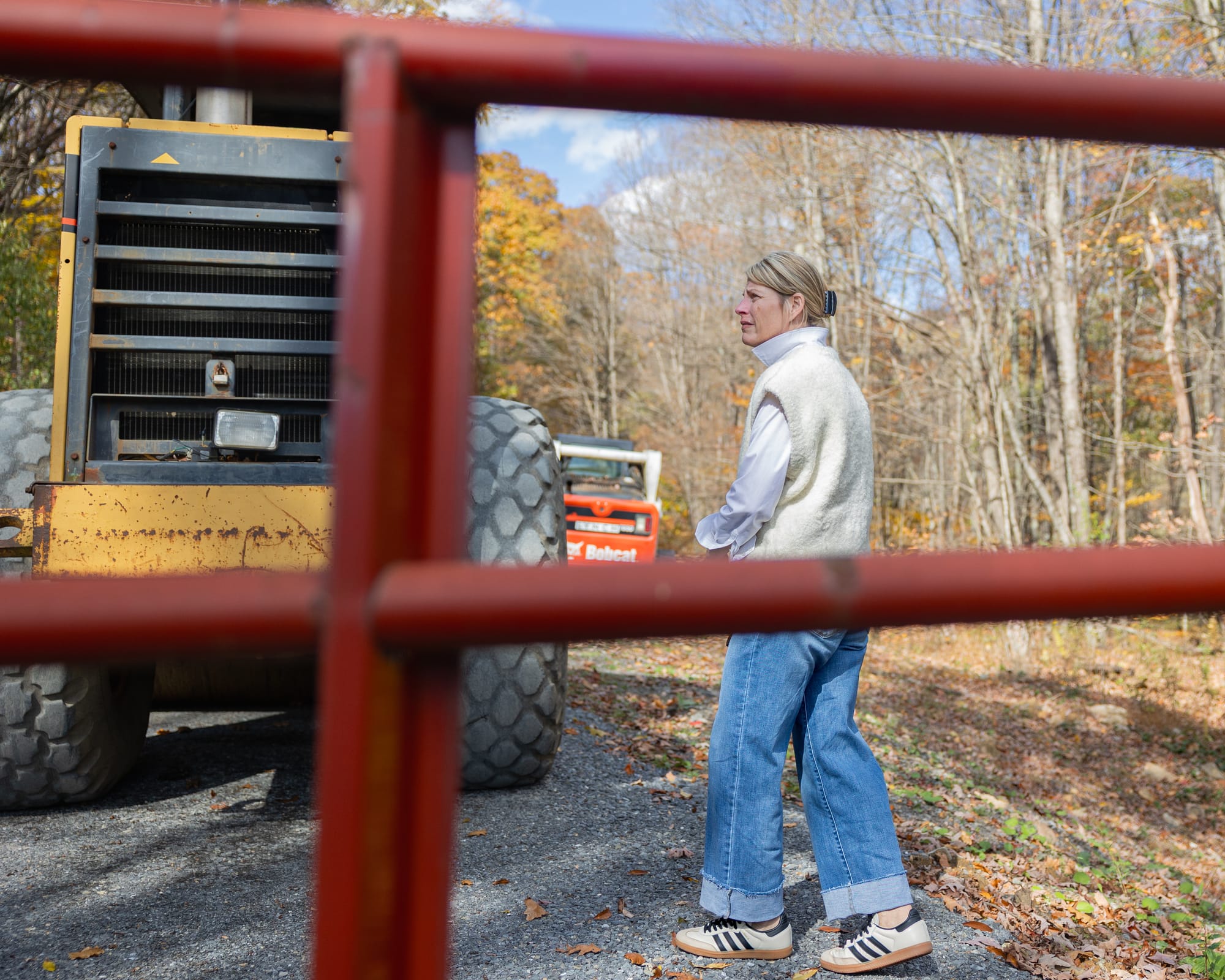
Right now, the federal CDFI Fund — which makes local investment like this possible — is at risk. Proposed cuts to the Fund’s staff and to the grant funding that CDFIs rely on to offer low-cost, flexible loans and attract other sources of capital would ripple through rural America, slowing the quiet progress that’s helping people build homes, open businesses, and keep small towns alive.
But this moment isn’t only about what we stand to lose, it’s about what we deserve to build next. Rural people need stable, long-term investment that matches their vision for the future. Sustaining and expanding the CDFI Fund means trusting rural communities to keep shaping their own economies from the ground up — and giving local CDFIs the resources to keep empowering the people who know their towns best to design the future they want. Beyond Elkins, we see this every day in communities across the country through the stories our partners tell.
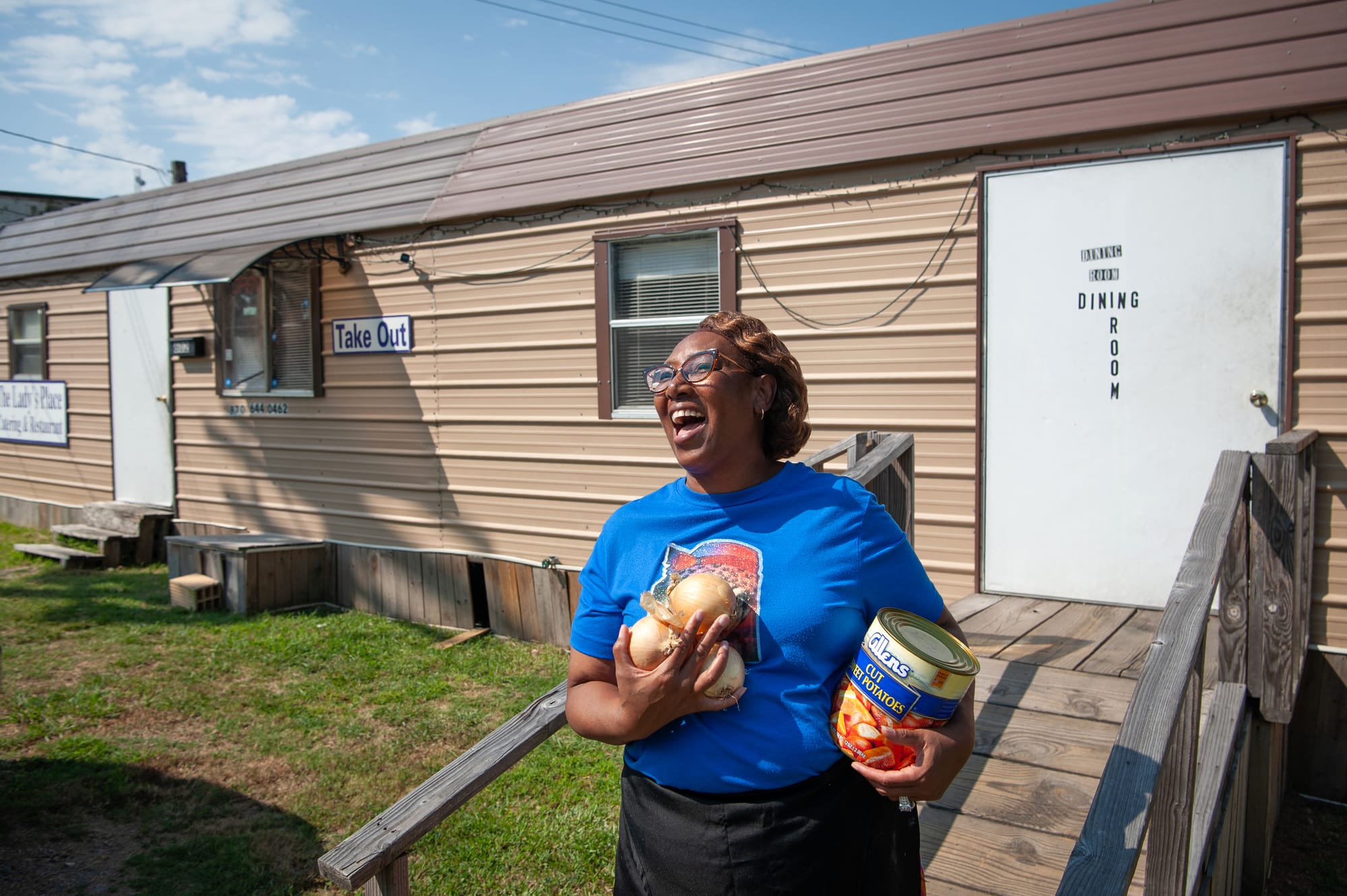
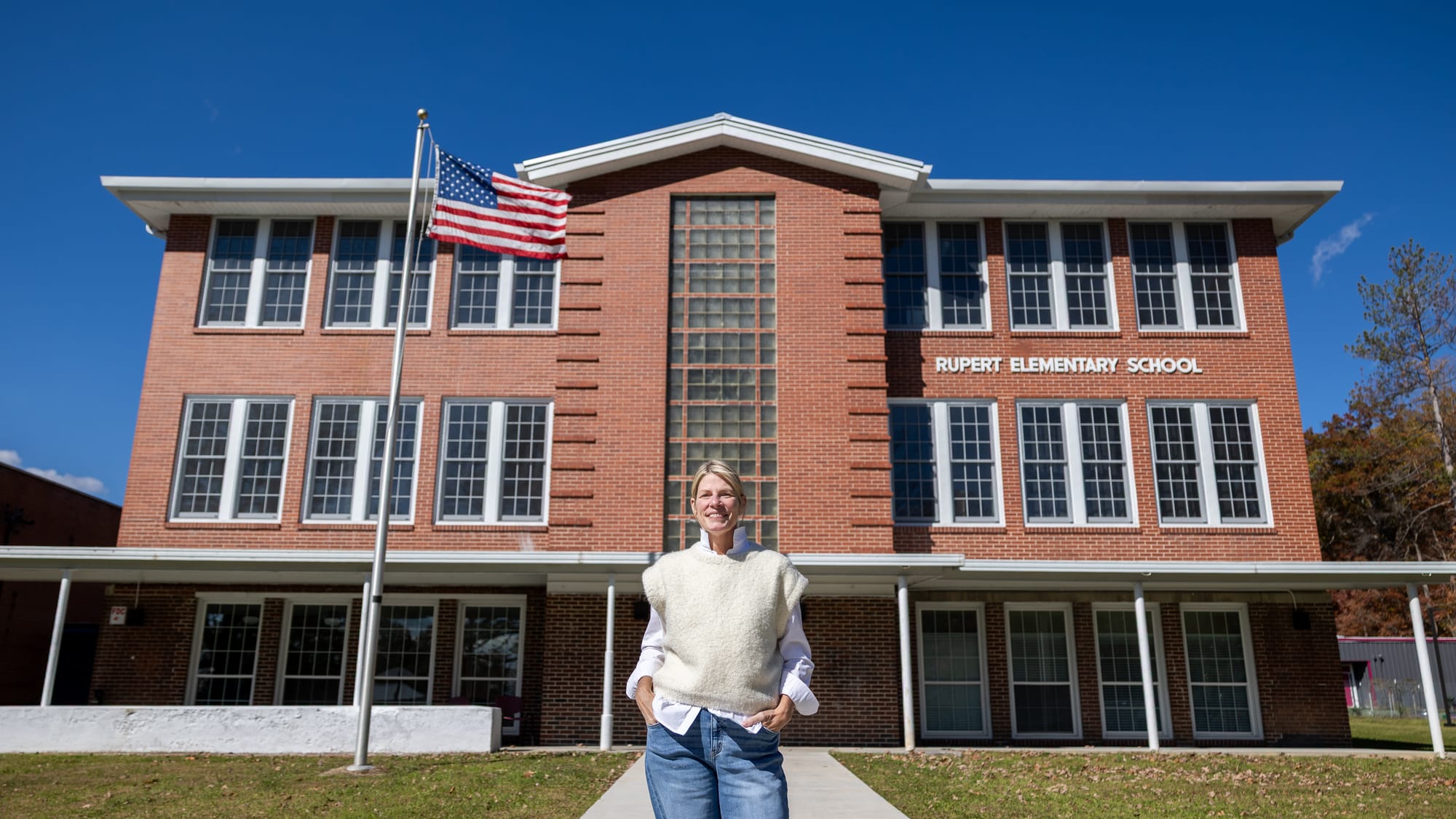
The CDFI Fund has powered quiet progress in rural America for decades. As the current administration considers its future, it’s worth remembering what’s at stake — and what’s already being built. From West Virginia to Alaska, we’re seeing how flexible, relationship-based capital gives people the tools to shape their own economies. There are thousands of stories that offer powerful examples of what happens when that investment meets local vision.
“What good is owning a home if you can’t afford the electric bill?” asks Seth Long, director of HOMES Inc. Through CDFI investment and programs like ARC’s POWER Initiative, his team is proving that solar-powered, affordable housing can thrive in Appalachia. Video by Kertis Creative in collaboration with Mountain Association.
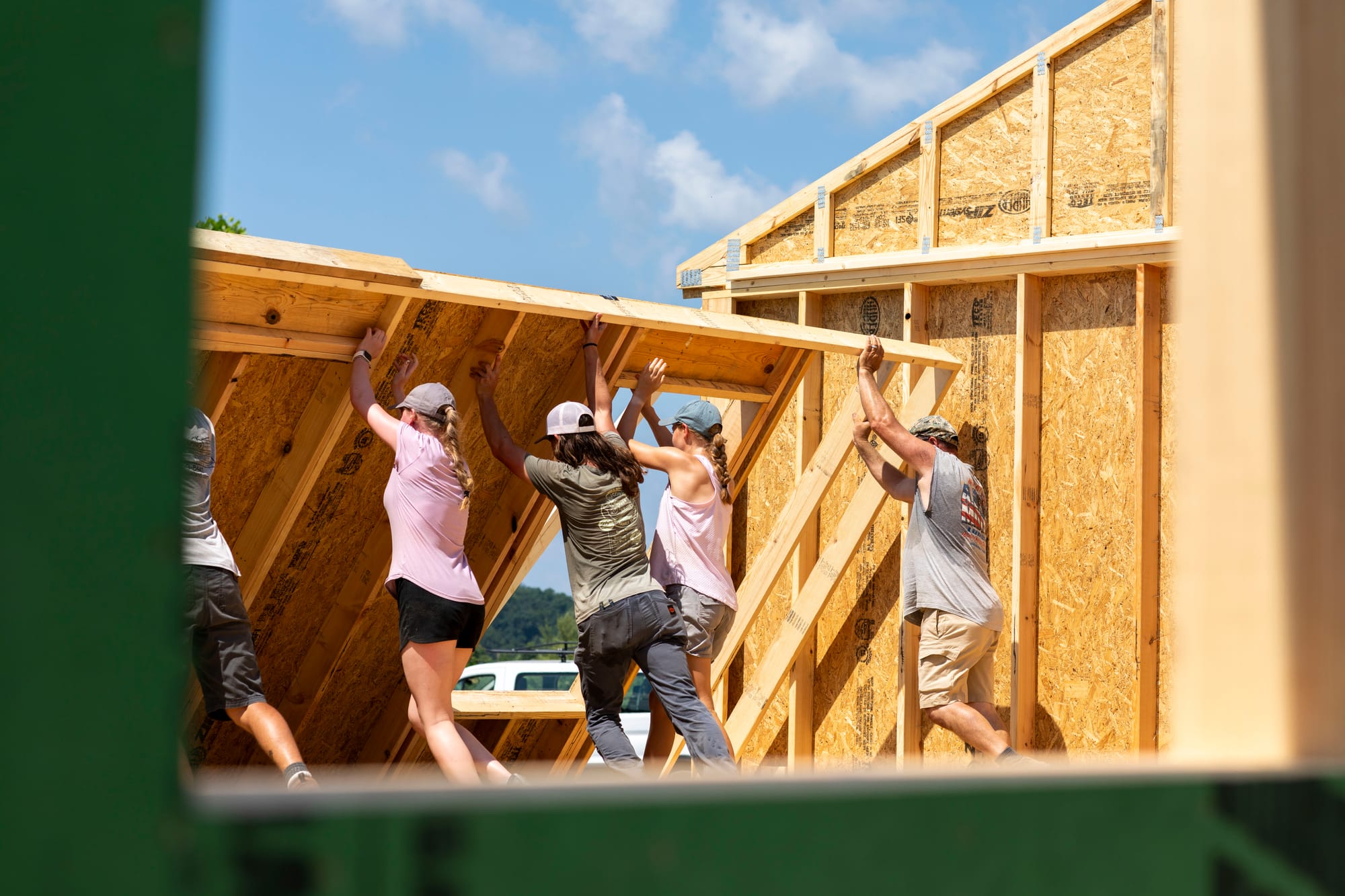
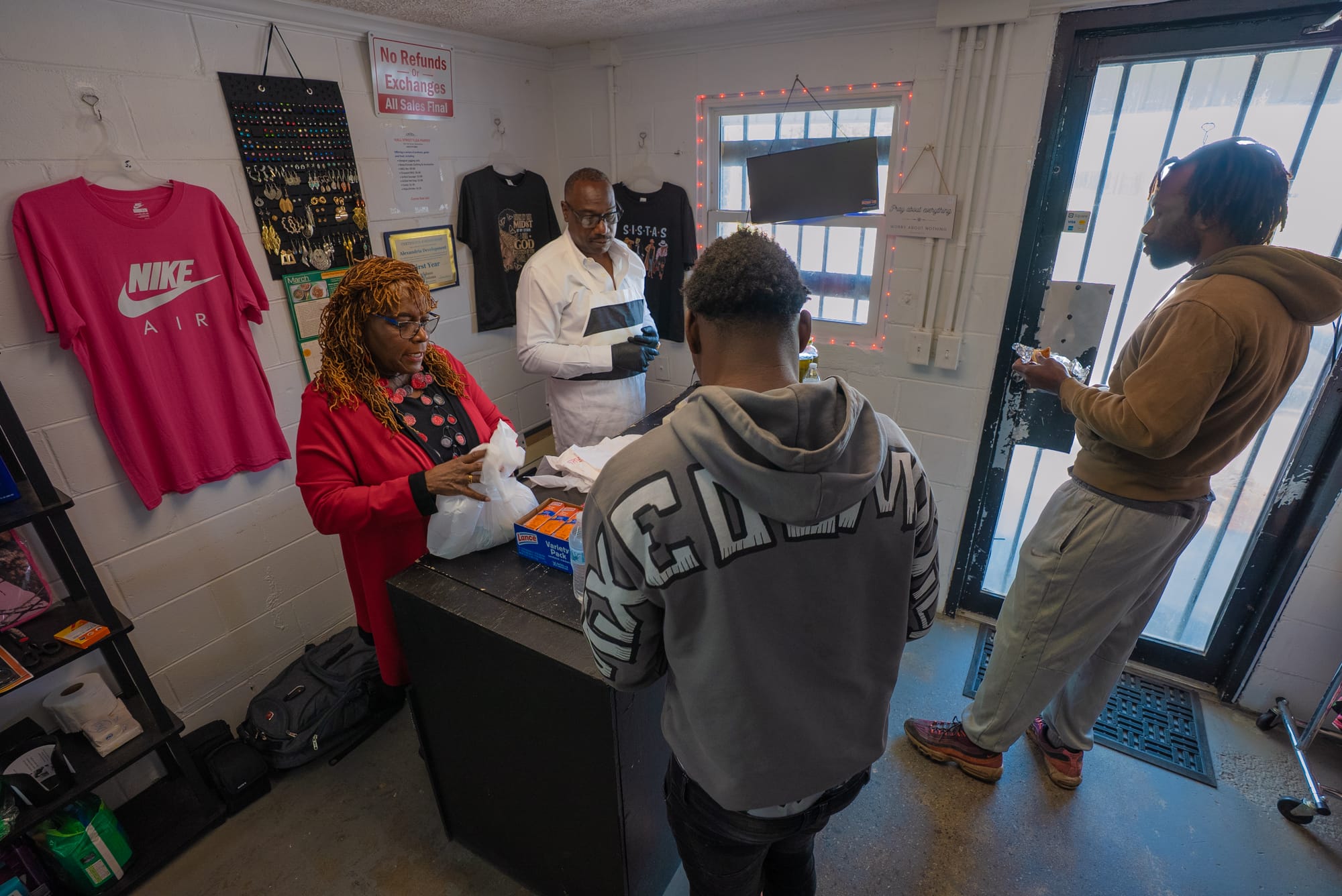
I think often about what connects places like Elkins, Rupert, Warrenton, and McGehee. It isn’t just geography, it’s the quiet determination of people who see what’s needed and get to work. The CDFI Fund helps make that possible. It’s how neighbors turn hard work into progress and keep their communities standing strong. My hope is that policymakers, funders, and all of us who care about rural places continue to make this invisible capital visible — and keep believing in what rural people can build when given the chance.
In partnership,
Ann Lichter
Director, Resource Rural