Naming loss, holding hope: lessons on uncertainty
Hi Neighbor,
There’s been a big question on our minds this past year: How do we make the case for investment when hope can feel fragile and when public funding feels politically uncertain?
When this program began, our north star was simple. We wanted to make visible the economic impact of public investment and the hard work and innovation happening in small towns across the country. That remains true today. What has changed is the terrain around that work. The conversation has shifted from what is newly possible to what is at risk of slowing down or disappearing.
Still, one thing has not changed. Rural communities are places where people are building, experimenting, and investing in one another for the long haul. Across the country, local leaders, farmers, small business owners, and organizers are strengthening local economies, caring for neighbors, and shaping futures they believe in. Rural places are not defined by loss. They are defined by the people who continue to choose them and invest in what comes next.
When storytelling reflects that reality, and when it comes from trusted local messengers, it helps people see what is being built, what is worth protecting, and what sustained investment makes possible.
At the same time, today’s political environment is creating real uncertainty. Funding cuts, stalled programs, and shifting priorities have tangible consequences for rural communities. We cannot ignore that. Over the past two years, we have talked with hundreds of rural storytellers, nonprofit leaders, and local partners about what kinds of stories resonate when the ground is shifting.
What we have learned is this: Uncertainty does not stop people from moving forward, but it does change the terrain they are navigating. Part of our responsibility as storytellers is to help make that terrain visible so people can see both what communities are building and what is at risk if investment disappears, and so they can understand what sustained support makes possible.
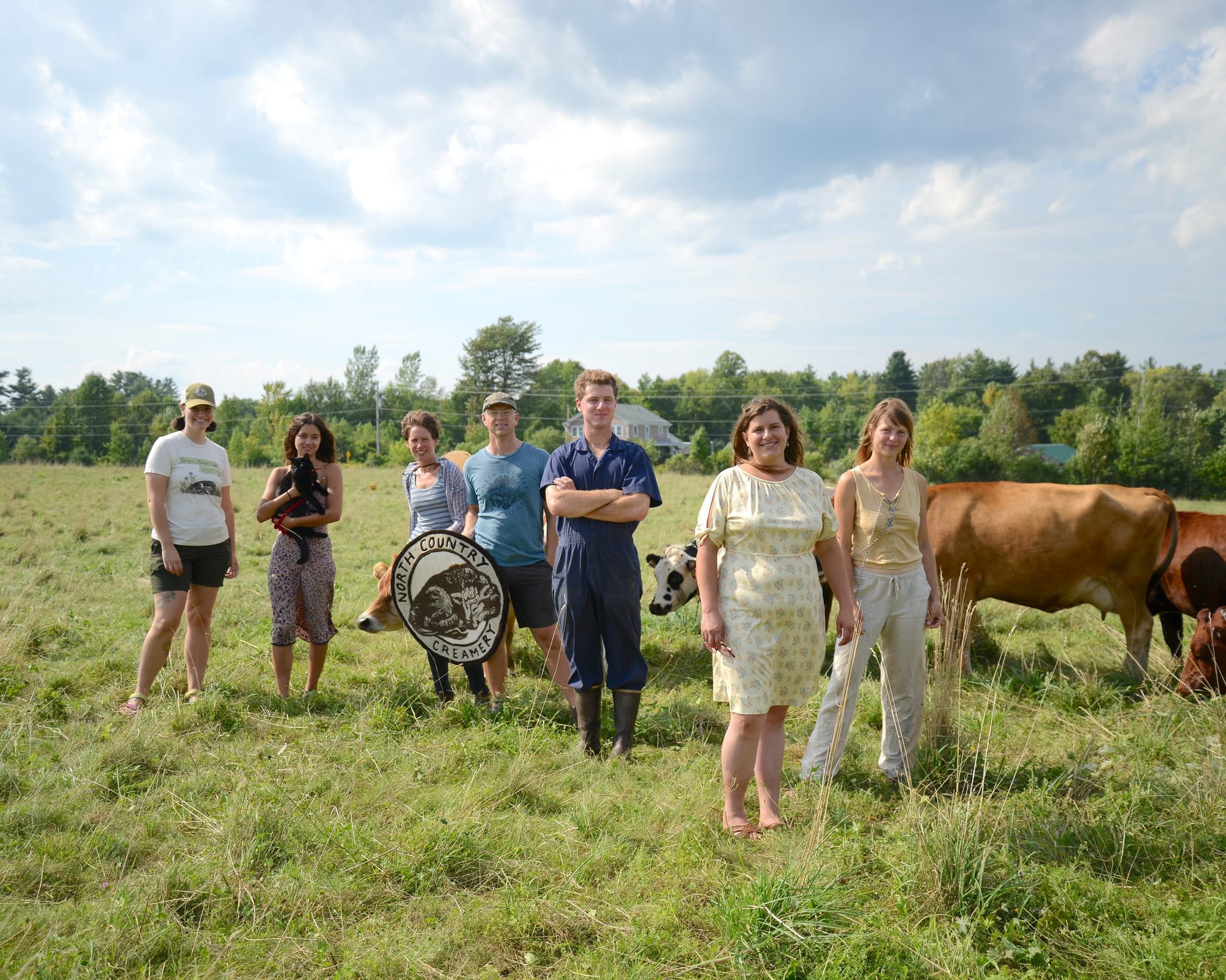
The picture we aim to paint is not one of struggle alone. It is one of places full of skill, pride, and possibility. Naming loss matters because it reflects what many people are living through and shows what is at stake. But the throughline is leadership, creativity, and forward motion.
That kind of storytelling does not ignore tension. It makes room for it. Rural communities are carrying both hardship and determination at the same time. We create space for storytellers to voice what they want more of in their communities and what they do not want to see continue. Holding both realities together helps people see what is at stake, what progress is worth protecting, and what kind of investment supports the future communities are working toward.
We’ve learned that the goal isn’t to choose between hard stories and hopeful ones, it’s to tell stories that feel true.
That means making room for complexity. Rural experiences often hold determination alongside frustration, innovation alongside change, and possibility alongside real pressure. When stories reflect that full picture, they resonate more deeply with the people living them and build greater trust with those trying to understand what rural communities are working toward.
Here are a few lessons we’re carrying into this moment:
Lead with resolve, not ruin: And cooperation over crisis. Show how rural communities aren’t defined by crisis or decline, they’re redesigning systems to be more just, more local, and more durable for the long haul.
Name the loss, then pivot to agency: Be honest about what’s been stripped away – industries, services, and trust – but highlight the people finding new ways forward: rebuilding local economies, growing food for their neighbors, and powering their towns sustainably.
Connect adaptation to investment: These stories are proof that when capital meets community know-how, rural places innovate, even when federal programs fall short or funding disappears.
Reframe resilience as shared capacity: Rural communities aren’t “getting by” on grit alone. Their progress comes from relationships, local problem-solving, and the steady support that helps those efforts take root. Stories should show how people pool resources, teach each other, and build networks alongside public investment, making clear that communities thrive when their collective ingenuity is matched with sustained funding that honors their vision for the future.
Challenge the myth of dependency: Rural America’s progress didn’t start with federal aid and won’t stop without it. Communities have been leading solutions for decades, policy and philanthropy should follow their lead and scale what works locally.
Keep “why we’re worth fighting for” at the center: Anchor every story in place, pride, and possibility. These are stories of people staying not because they have to, but because they choose to. Rural people aren’t holding on out of nostalgia, they’re investing in the future of their hometowns because they believe in them.
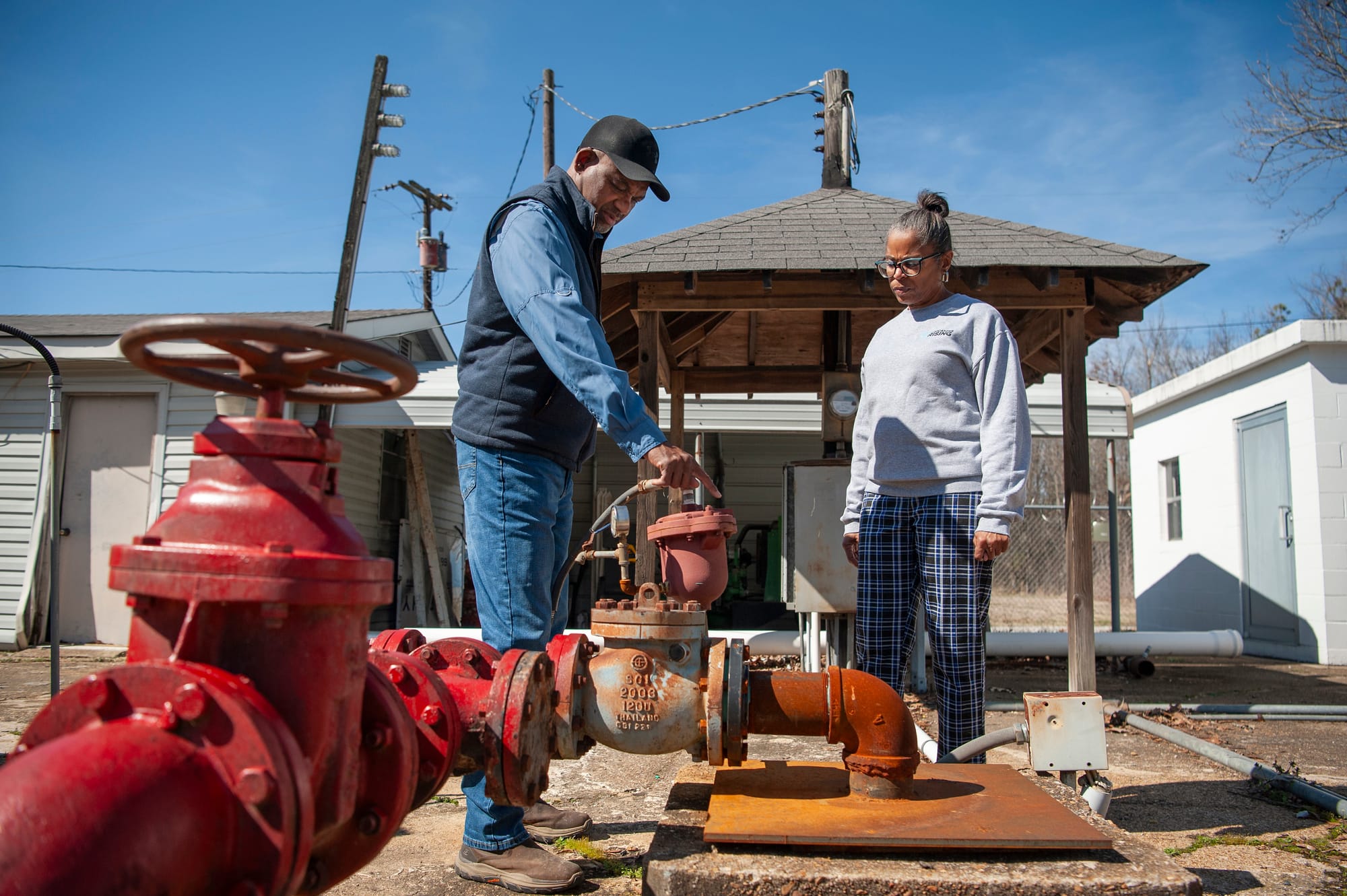
Across everything we’ve learned, one responsibility stays constant: ensure storytellers are portrayed with dignity and strength. Even when circumstances make things harder, we can show their leadership, their expertise, and their clarity of vision for what their community deserves.
We’ll keep listening closely and sharing what we learn along the way. If you’re thinking through how to communicate in this moment, we’d love to stay in conversation.
In partnership,
Resource Rural