Fishing trips don't make it into the data
Hi Neighbor,
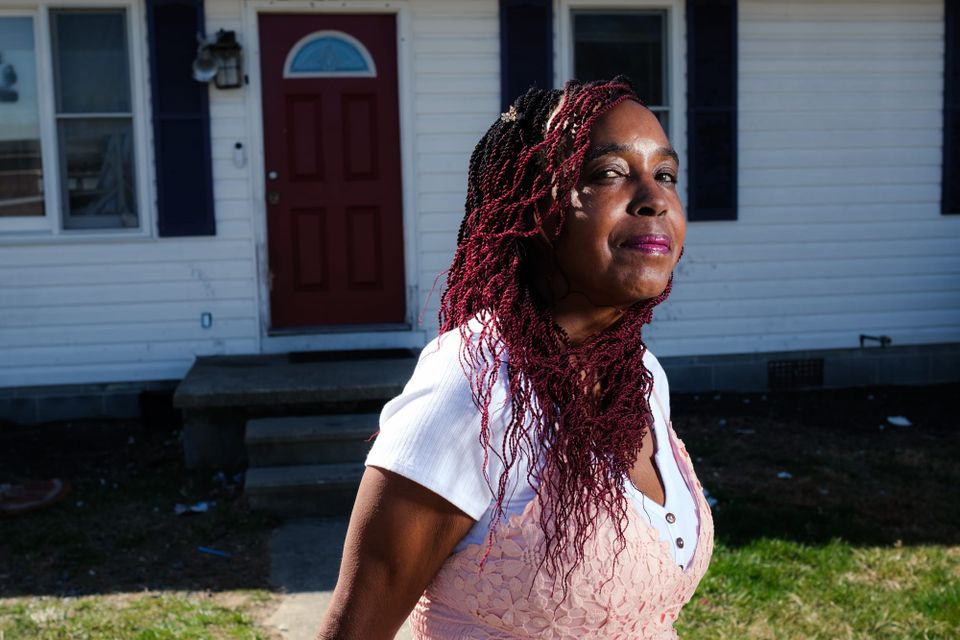
Vastine Allen takes her grandkids fishing for bass and crappie in Osceola Lake. She grows okra and green beans and cucumbers in her garden and cans what she can before the kids eat it all. She dances with them. She takes her fiance to chemo. She has lived on Stoney Creek Road in Edneyville, North Carolina (locals call it Little Rocky, or Windy Road) for more than thirty years.
You might not find that detail – how she looks after the people and the place around her, the kind of care a whole community runs on – in the economic data on the Healthy Opportunities Pilot, a first-in-the-nation Medicaid program that delivered food, housing support, and other everyday resources directly to participants' doors. The data shows that healthcare costs for program participants dropped an average of $85 a month. What it doesn't show is why Vastine still thinks about those food boxes. "They'd call and check on us to see how we was doing," she told us. "I miss that."
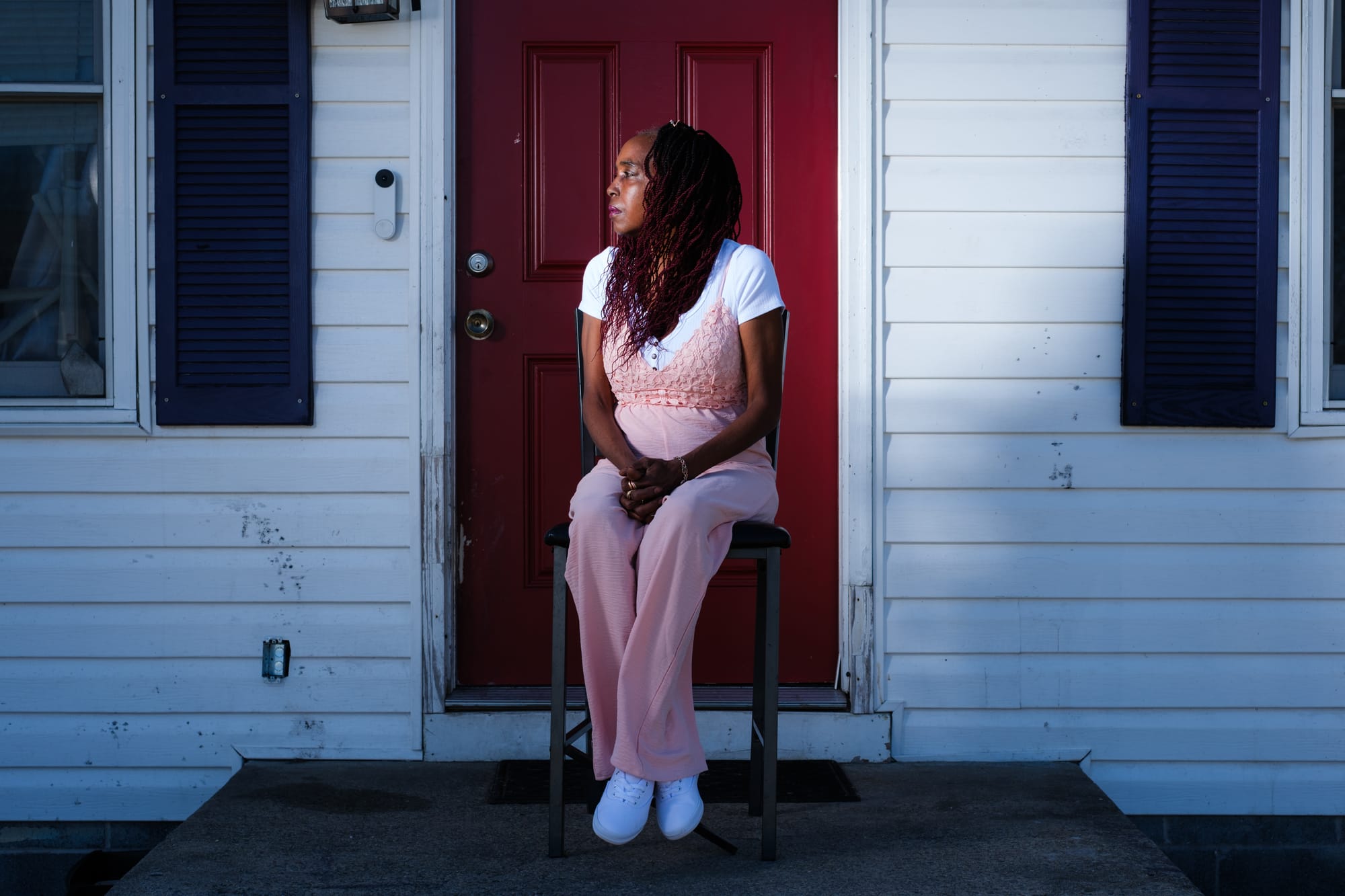
Rural people don't describe their lives in only economic terms. The economic logic is there. It's just downstream of something harder to measure but no less real: love of place, responsibility to family, a belief that their town is worth staying for. When those things hold, the rest of us feel it too. A town where people look out for each other is a town that holds onto its young families, keeps its main street alive, and stays a place worth moving to. The care Vastine gives doesn't stop at her own front door, and neither do the benefits. Our job as storytellers is to make that connection visible.
It's easy to start with the program in stories about public funding: what it does, who it serves, what it costs. The person, if they appear at all, illustrates the point. Storytelling inverts that. The person is the point. Vastine isn't evidence that the Healthy Opportunities Pilot worked. Her story shows us something the program data can't: how much a whole community gains when someone is supported to stay rooted.
We see the same thing play out across every issue area we work in. In Pomeroy, Washington, Chelsey Eaton wasn't looking for a child care policy solution when she was pregnant with her son Noah. She was trying to figure out how to be close enough to him during the day that she could get to him fast if he needed her. The nearest licensed childcare provider was 35 miles away, over a mountain pass, at $1,800 a month. She found someone closer, then someone else, then finally someone she trusted.
“This is a component of economic development. How do we keep from being the community that has to close the doors, turn the lights out and walk away? It is in attracting and keeping those young families,” she shared with us.
The economic case for child care in rural communities is real and well-documented. But what's driving Chelsey isn't solely an economic calculation — it's a question about whether the town she loves can hold the life she wants to build there.
In Pomeroy, Washington, a community-led effort is turning a donated funeral home into Donna's Mama Bear Daycare and Learning Center, the town's first licensed child care center. For families like Chelsey Eaton's, it means no more 35-mile drives over a mountain pass. Photo by Kertis Creative, story produced with Garfield County Public Health.
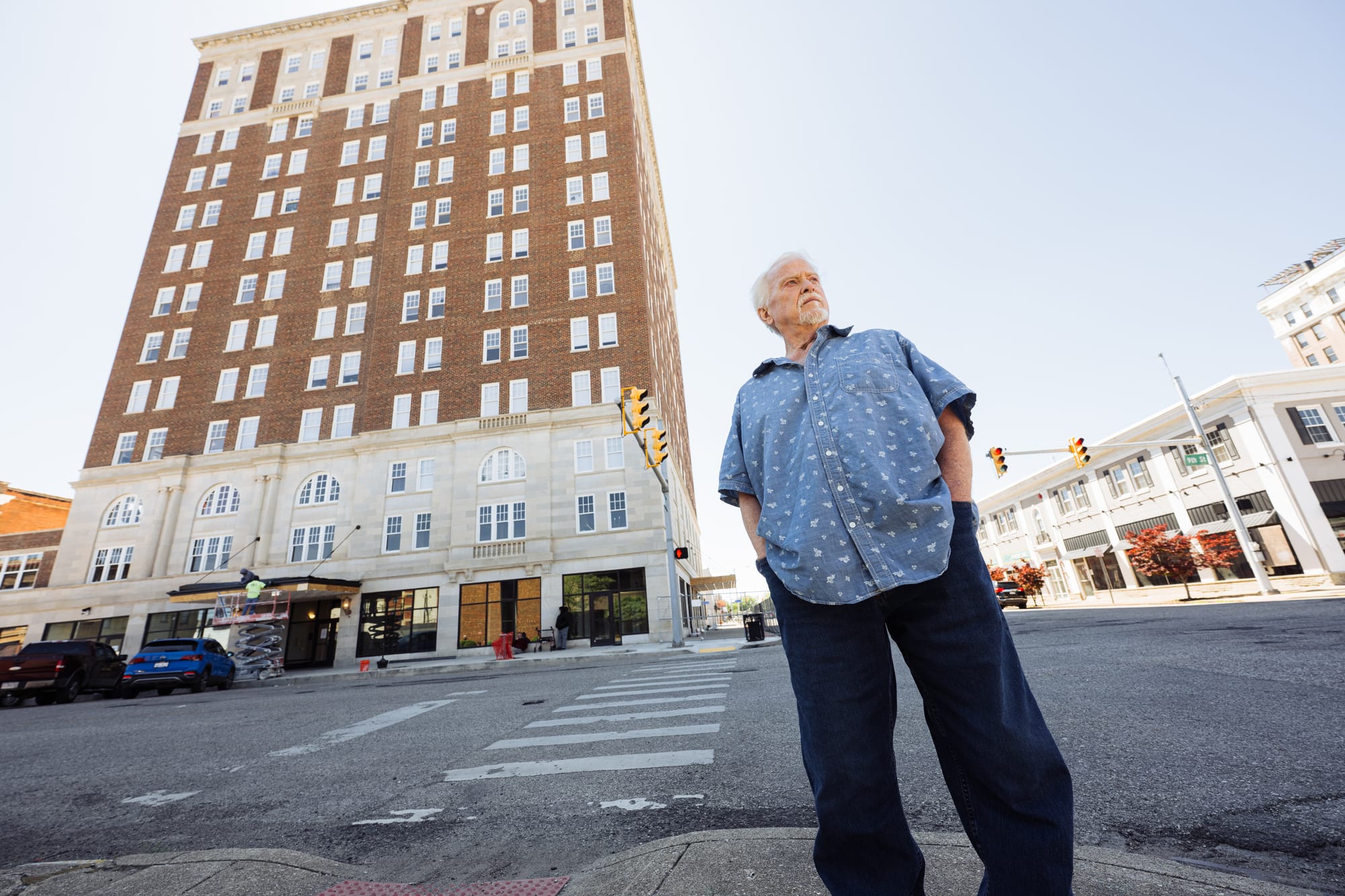
In Huntington, West Virginia, Drew Ciccarello moved into his new apartment at the renovated Prichard building with his African grey parrot, Lucy, and a full calendar of plans: teach some classes, take some classes, be close to his mother and stepfather, get more involved in the arts. The $50 million renovation of the 100-year-old hotel braided together historic tax credits, federal housing funds, and state and local investment to bring affordable senior housing back to the heart of downtown. Drew understands the economic argument for all of it. But when he talks about why it matters, he talks about pride. About a community that can look at a building it loves and see itself reflected back. "It's a tremendous idea that's come to fruition," he said.
We've told hundreds of stories over the past two years, and the ones that stay with us longest aren't the ones with the biggest numbers. They're the ones where someone says something true about their life, about what they're holding onto and why. Those moments resonate because they reflect what we value as a country, and what we choose to invest in. If we can keep finding them, and keep making them visible, we think that's how trust in public investment actually gets built.
In partnership,
Resource Rural