Applied Ruralism
Hi Neighbor,
Rural places run on relationships. People depend on each other in more ways than you can count, and those connections form a web that holds a whole community together. It's one of my favorite things about living in a small town.
Sometimes in rural work, a quiet question still comes up about who counts as rural enough. Whose town is smaller, whose roots go back further, who gets to shape the strategy. At its worst, that can leave good people sitting on the sidelines of work they care about.
But wherever you live right now, you can still bring the values of rural communities into your work. You can apply rural – applied ruralism.
Here's what I mean by it. Applied ruralism is a practice. It means anchoring on the values that run through so many rural places and living them, too: getting to know people first, understanding their life, their family, their town, before you ask them to do anything for you. In a world that moves fast and treats so much like a transaction, taking the time to know someone is a value worth celebrating. It's about how you show up: willing to listen, willing to go slow, and glad to let the people who live the story lead it. You don't have to be from a small town to work like one.
What began as a simple idea – applied ruralism – became the foundation of our storytelling program. We decided to build the whole thing around it, to live in these values instead of just naming them: trust, patience, care, and a little bit of elbow grease.
And we’ve built in space for failure, to try big things and not always get it right. I can’t say that we’ve completely figured it out, but we’ve taken some big steps.
But what does that actually look like in the ordinary decisions we make every week?
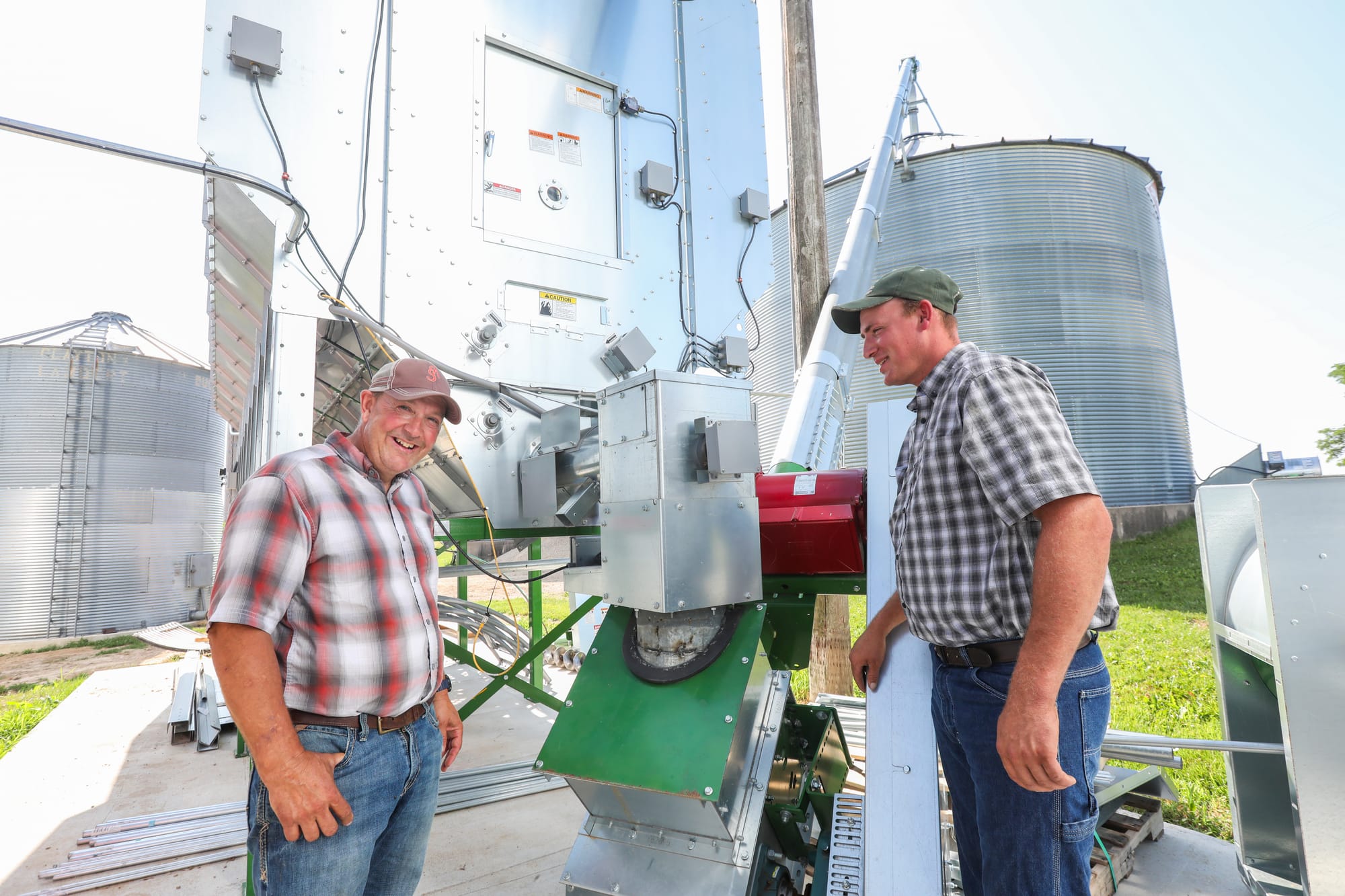
It looks like following the local's lead. A small town runs on knowing how to fix what's broken with who’s around and what's on hand. Call it community care, self-reliance, know-how, it’s one of a few important factors that contribute to some rural communities' wariness when an outside group arrives with a big fix and a short timeline. They've watched plenty come and go, and we work hard not to be one more. We come in as a partner, with curiosity, and build around the person living the story. They see a draft of everything we write, they shape how they're shown, and they tell us when we've gotten something wrong. When we bring in a photographer or videographer, we often look local first.
It looks like moving at the speed of trust. Finding and vetting the right messenger can take months, and we let it take that long. Sometimes over a year. Before any paperwork, we walk people through what to expect and where their story might end up. And if someone is hesitant, we don't push. A person's trust matters more than any promotional goal. Sometimes the right call is to slow down, and sometimes it's to stop.
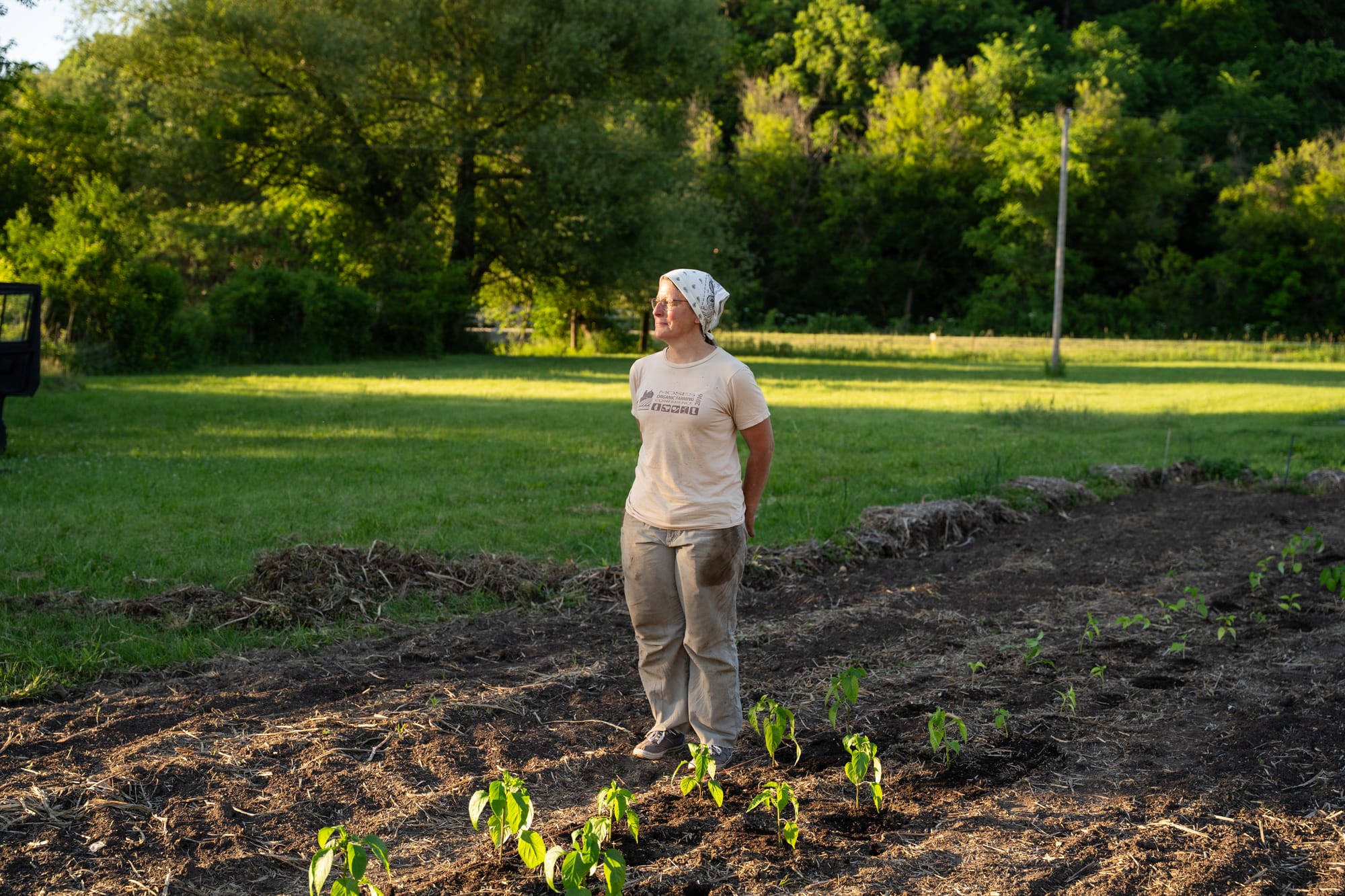
It looks like treating consent as a conversation instead of a signature. Folks who work with us see a draft and approve the written piece before anything goes public. They help shape how they're shown in photo and video, and there's a clear yes before we ever pitch press or run an ad. We work hard to send people the finished piece, because the most common thing we hear from people is that they never got to see how their own story turned out. We haven't always gotten this right. When we've missed, we've gone back, tried to make it right, and built new steps into the process so it holds. And a yes isn't the end of the conversation. We check back in before any new use we didn't already talk through, because the relationship doesn't stop when the story goes live.
And it looks like respecting what it costs to speak up. In a small town, your name and your face are known from the grocery store to the mechanic. Speaking publicly about your life, your family, or a program you count on carries a weight that's easy to miss if you haven’t lived it. It’s vulnerable – point blank. When you think about calling the storyteller after the story went live, it might change how you think about how you structure the message, and where the individual’s agency and work fits in. The gut check we return to is simple: would this person be proud of how we told their story? If the answer is no, start over.
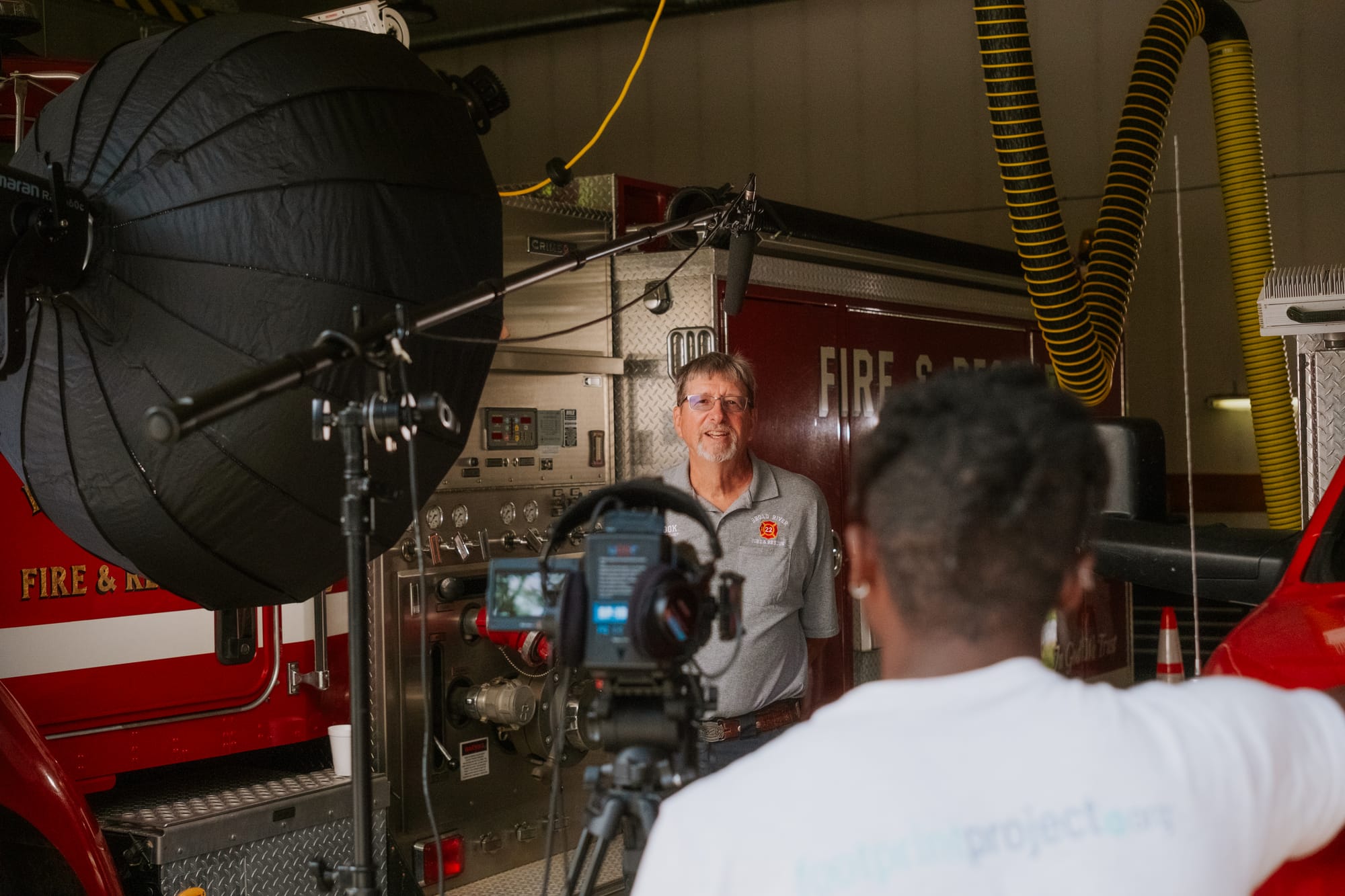
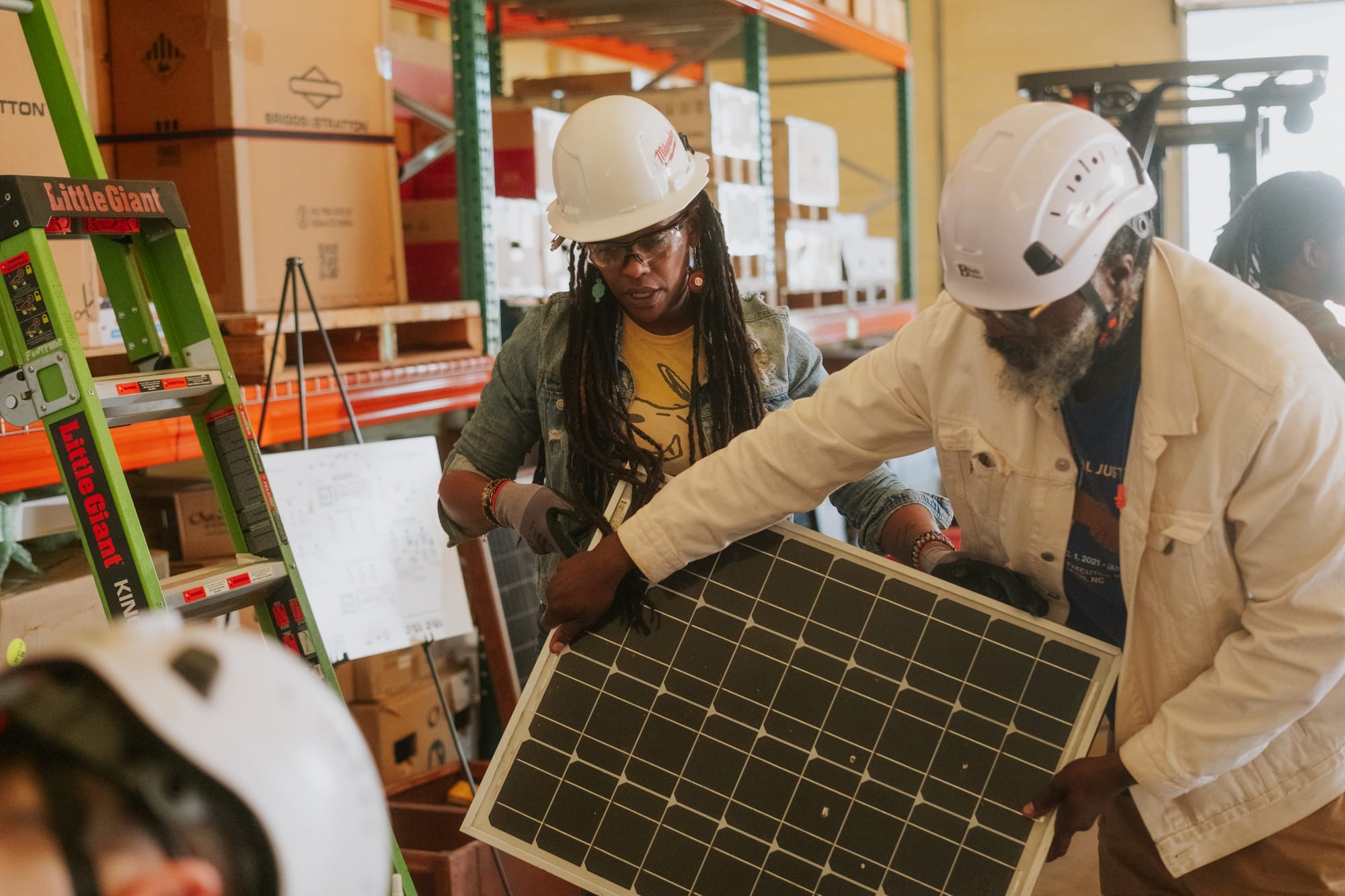
That's applied ruralism in practice. Not a checklist, but a way of working that keeps your people in the lead and lets trust set the pace. It’s an invitation – not a barrier to entry. You don’t need a perfect ZIP code or a multi-generational rural lineage to do this work well. You need to practice the values, be curious, come into the work with open hands. Doing right by small-town communities is open to anyone willing to slow down, follow local people’s lead.
Rural is a culture, a geography, and a way of being, all at once, and its values show up everywhere. So keep talking about it. The more we name what rural places have to teach, the more we inspire new creators to take up this work, and the more room we make for the people who've been on the edges of it.
In partnership,
Madeline McGill, Resource Rural
PS: I first heard "applied ruralism" from Whitney Kimball Coe during a Center for Rural Strategies webinar, and it stuck with me ever since. Grateful to her for the language, and to everyone doing the work of building around it.