7 things rural stories taught us in 2025
Hi Neighbor,
As we look back on 2025, we keep coming back to a simple question: what if this actually works?
What if rural communities saw their own ingenuity reflected back to them? What if public investment shows up in a way that feels local, tangible, and personal? Over the past two years, we watched those questions move from possibility to practice — story by story, partnership by partnership — led by rural people shaping their own narratives and futures.
This work has never been flashy. It’s been built with a small team, limited resources, and the partnership of many hardworking organizations and local people. Brick by brick, we’ve seen what becomes possible when care, patience, and local leadership guide storytelling. The stories we created last year aren’t just a look back at the year. They’re a reminder that storytelling works best when it’s treated as shared infrastructure, not decoration.
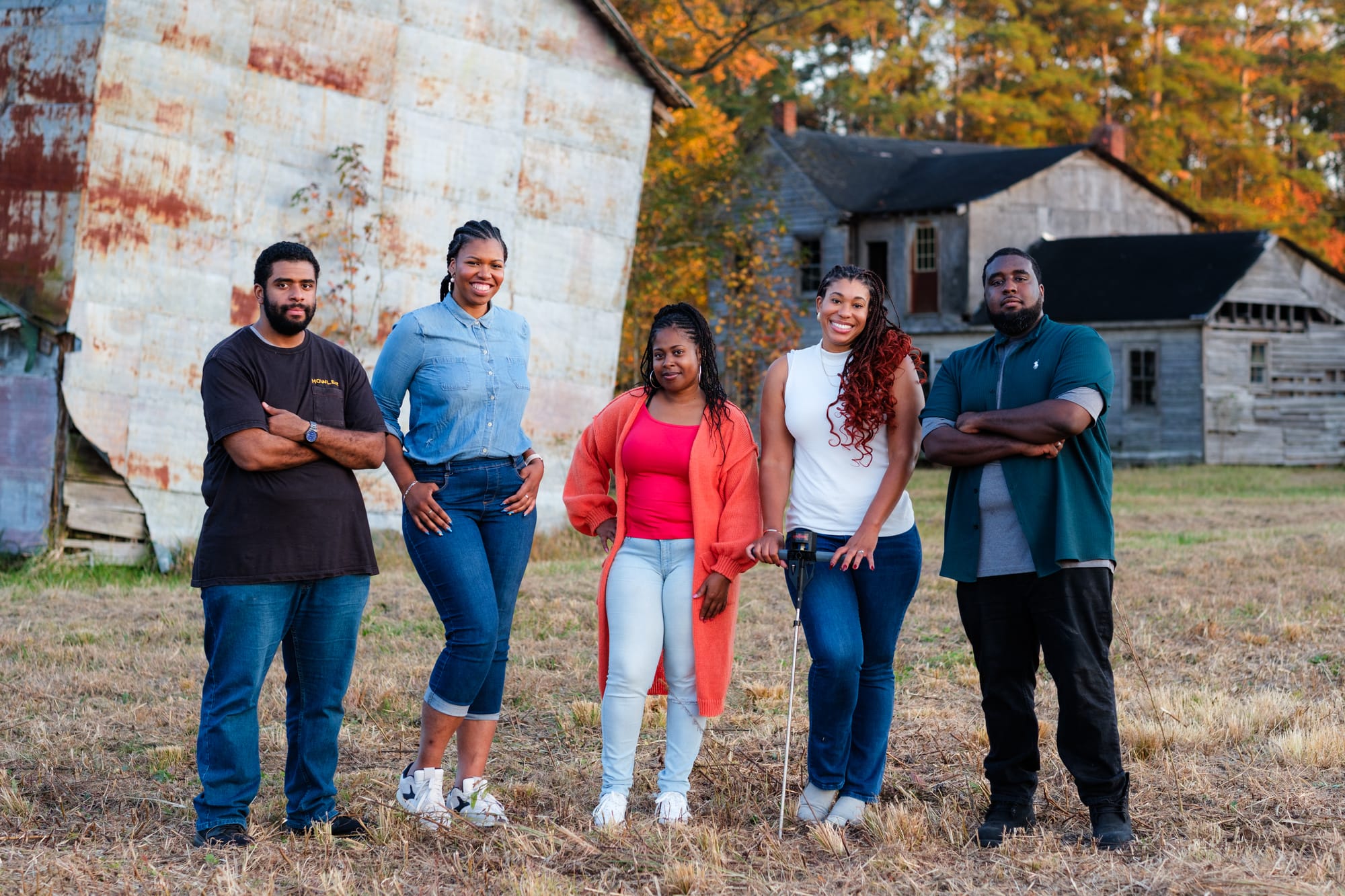
Over the past two years, we’ve had the privilege of listening closely to farmers, educators, small business owners, Tribal leaders, and neighbors making careful decisions about their communities’ futures. We’ve worked with over 200 storytellers to create hundreds more media pieces, supporting over 50 organizations in 41 states. One thing has become clear: rural people are not passive recipients of policy or funding. They are decision-makers and problem-solvers, using public investment to strengthen local economies, care for one another, and build work that lasts.
This year, we took time to reflect on what helps those stories land. The answer wasn’t increased urgency or sharper language. It was listening first. Leading with benefits. Trusting local wisdom. Investing in local messengers. And telling stories with care. The seven lessons that follow come directly from that reflection — and from the people who made this work possible.
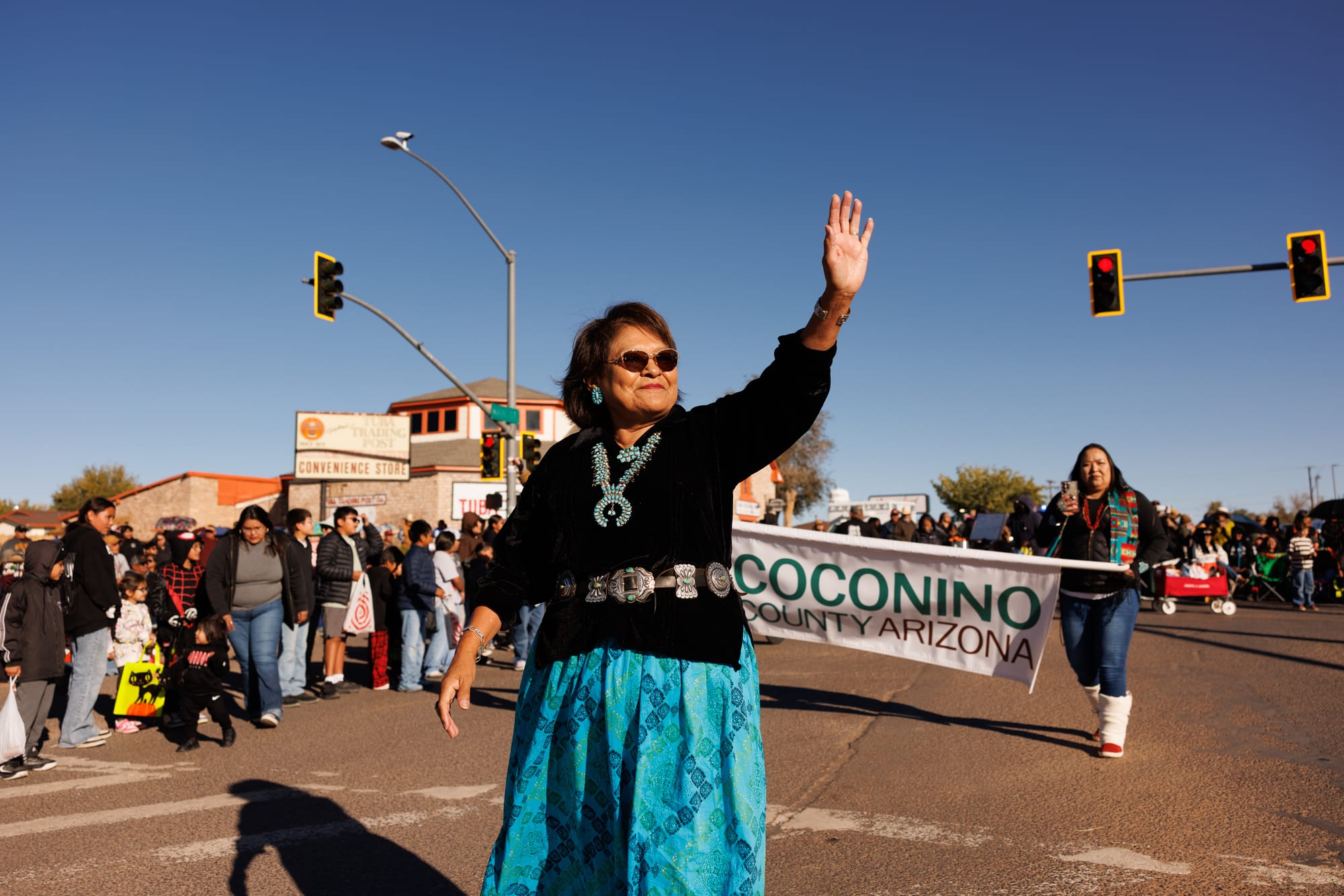
1. Don’t sleep on leading with economic and community benefits. Negative stories may grab attention, but positive stories are what move people. Tell stories about what’s working – not just what’s broken – and show what’s possible when rural people lead change in their communities.
2. Trust local wisdom and follow it. Every strong story starts with listening. Communities already know which values resonate, which messengers hold credibility, and which ideas will land. Ground your narratives in what people are already saying about their homes and their hopes. “Leading with values” means reflecting what already exists, not imposing a new message on top of it.
3. Invest in the right messengers, not just the right message. Local farmers, teachers, small business owners, and Tribal leaders carry more trust than any organization or campaign. Take the time to find and support storytellers who can speak from lived experience. Vetting and building those relationships can take months – and it’s always worth it.
When we talk about trusted messengers, we mean people like RF Buche. A fourth-generation grocer in South Dakota, RF has spent his life making sure his neighbors don’t go hungry, on and near Tribal lands. In this short testimony, he shares why feeding people is both a business responsibility and a moral one, and how federal investment helped bring fresh food back to Pine Ridge and test new delivery models for rural communities. This story was created in partnership with Reinvestment Fund, which administers the Healthy Food Financing Initiative. It shows why local leaders with deep roots and real accountability are the most credible voices for what works
4. Show up, hire local, and stay awhile. Place matters. The most trusted and effective storytelling happens when people see their own neighbors on screen or in print. Go in person when possible, hire local talent for photography and production whenever possible, and work with community members at every step. Local collaboration strengthens accuracy, consent, and pride – and often leads to unexpected insights.
5. Speak plainly and with care. Avoid jargon, policy language, or framing that feels abstract. Instead, use the everyday language people use to describe their work and lives. Keep the storyteller’s dignity and agency at the center – even when the story is about struggle. A simple gut check: Would they be proud of the way we told their story? If not, start again.
6. Pair evidence with empathy. Data and message testing can guide direction, but it’s empathy that determines reach. Use the evidence – like knowing benefit-framed messages increase comprehension and don’t decrease hope – to inform your storytelling choices, not to replace the human element. Stories should feel true first, strategic second.
7. Build infrastructure, not just content. Storytelling isn’t decoration – it’s infrastructure. Funders and organizations should treat communications capacity as a long-term investment, not a short-term output. The most effective rural storytelling ecosystems are those where storytellers, producers, and local partners have the tools, training, and relationships to keep telling their own stories.
Telling meaningful stories often means going the final mile — connecting public programs back to the families and communities they’re meant to serve. In this short reflection, Roben Itchoak shares why culturally significant storytelling matters, especially in rural Alaska. Roben is an educator and filmmaker on Sarichef Island who works with Iñupiat students to turn lived experience into film through her classroom and her work with See Stories. We partnered with Roben to tell this story with care and worked with AK partners to place it in the Anchorage Daily News so it could reach the community it’s about.
As we move into the year ahead, these lessons leave us with both clarity and responsibility. The stories rural people are already telling, about work, care, sovereignty, and staying, are not side notes to policy or investment. They are how change takes root. When public funding reaches the ground, rural communities make the most of it. Storytelling helps make that visible, turning programs into people and dollars into futures neighbors can recognize themselves in.
This work isn’t finished, and it isn’t something any one organization can do alone. If storytelling is infrastructure, then what comes next is maintenance: continuing to listen, investing for the long term, and following the lead of rural people who are already building what lasts. Thank you for being here with us and for believing, alongside us, that when rural communities are resourced, respected, and heard, what works can keep working.
In gratitude,
Resource Rural